
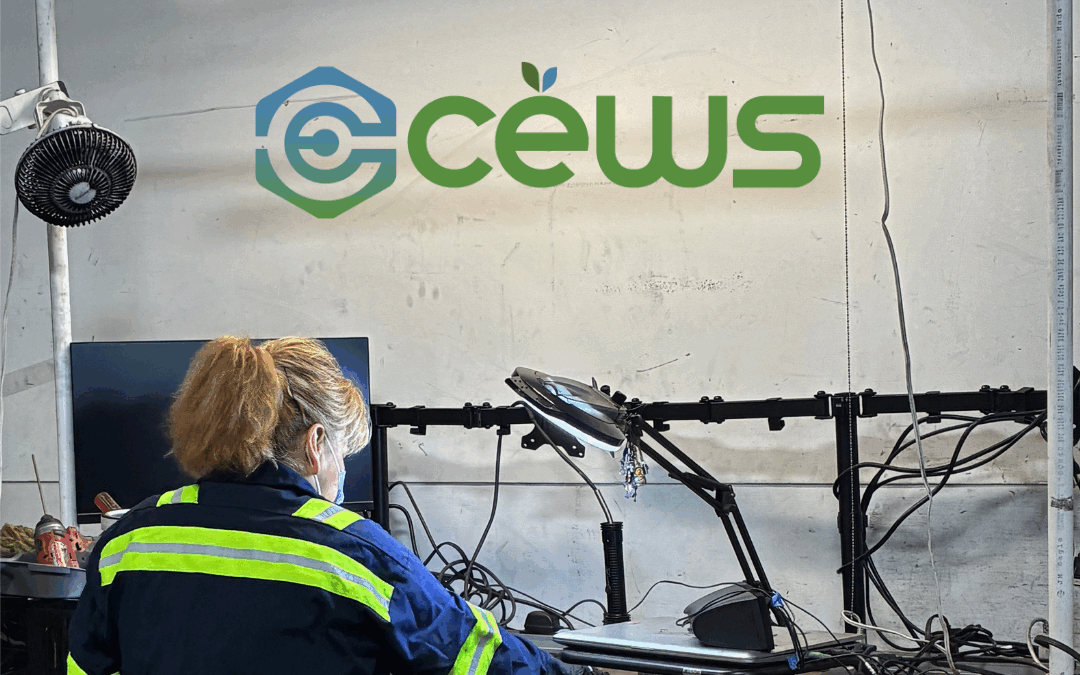
Electronic devices are an inseparable part of our daily lives—smartphones, laptops, TVs, kitchen gadgets, and more. But as technology evolves rapidly, so does the amount of discarded electronics, creating what we call electronic waste, or e-waste. According to the Global E-Waste Monitor, over 50 million metric tons of e-waste are generated worldwide each year, and only a fraction of it is properly recycled. The good news? Communities have the power to change this story. Small, collective actions can lead to significant impacts in reducing e-waste.
Why E-Waste Matters
E-waste is not just about clutter in your home. Many devices contain toxic materials such as lead, mercury, and cadmium, which can harm both human health and the environment if not handled correctly. At the same time, electronics are packed with valuable resources like gold, copper, and rare earth elements that can be reused. Proper recycling prevents environmental damage and supports a circular economy.
How Corporate eWaste Solutions Can Help
Corporate eWaste Solutions is committed to helping communities responsibly manage their electronic waste. By providing convenient collection, secure recycling, and educational resources, we make it easy for individuals, neighborhoods, and organizations to take part in reducing e-waste. Our programs ensure that valuable materials are recovered and toxic substances are safely disposed of.
Small Actions Communities Can Take
1. Organize Local E-Waste Collection Events
Cities and neighborhoods can collaborate with companies like Corporate eWaste Solutions or local governments to host regular e-waste drop-off events. These events make it easy for residents to responsibly dispose of unwanted electronics without extra hassle.
2. Promote Repair and Reuse
Instead of throwing devices away, communities can encourage repair workshops or “fix-it” events where people bring broken gadgets and learn how to repair them. Donating working electronics to schools, non-profits, or families in need is another great way to extend their lifecycle.
3. Raise Awareness
Simple campaigns—flyers, social media posts, or community newsletters—can go a long way in educating people about the dangers of e-waste and the importance of recycling. Many people don’t realize that throwing a phone in the trash has harmful consequences.
4. Support Local Recycling Centers
Communities can create directories of local e-waste drop-off points or recycling facilities and share them widely. Making recycling more accessible increases participation.
5. Encourage Sustainable Purchasing
Buying less, choosing durable devices, or supporting companies with take-back programs all help reduce future e-waste. A community culture of mindful consumption can make a big difference over time.
The Ripple Effect
When communities come together to tackle e-waste, the impact extends beyond just the environment. These efforts foster responsibility, encourage sustainability, and inspire future generations to be more mindful about technology use. A neighborhood e-waste drive, for example, not only diverts electronics from landfills but also sparks conversations about broader environmental issues.
Final Thoughts
The e-waste challenge may seem overwhelming, but small steps taken at the community level truly add up. By working together—through collection events, repair initiatives, education, and sustainable habits—communities can help turn the tide on electronic waste. Corporate eWaste Solutions is here to support these efforts, providing the tools and resources needed to make responsible e-waste management simple and effective. Remember: it doesn’t take massive change to make a big impact. Sometimes, the smallest actions are the ones that spark lasting transformation.
Recent Comments